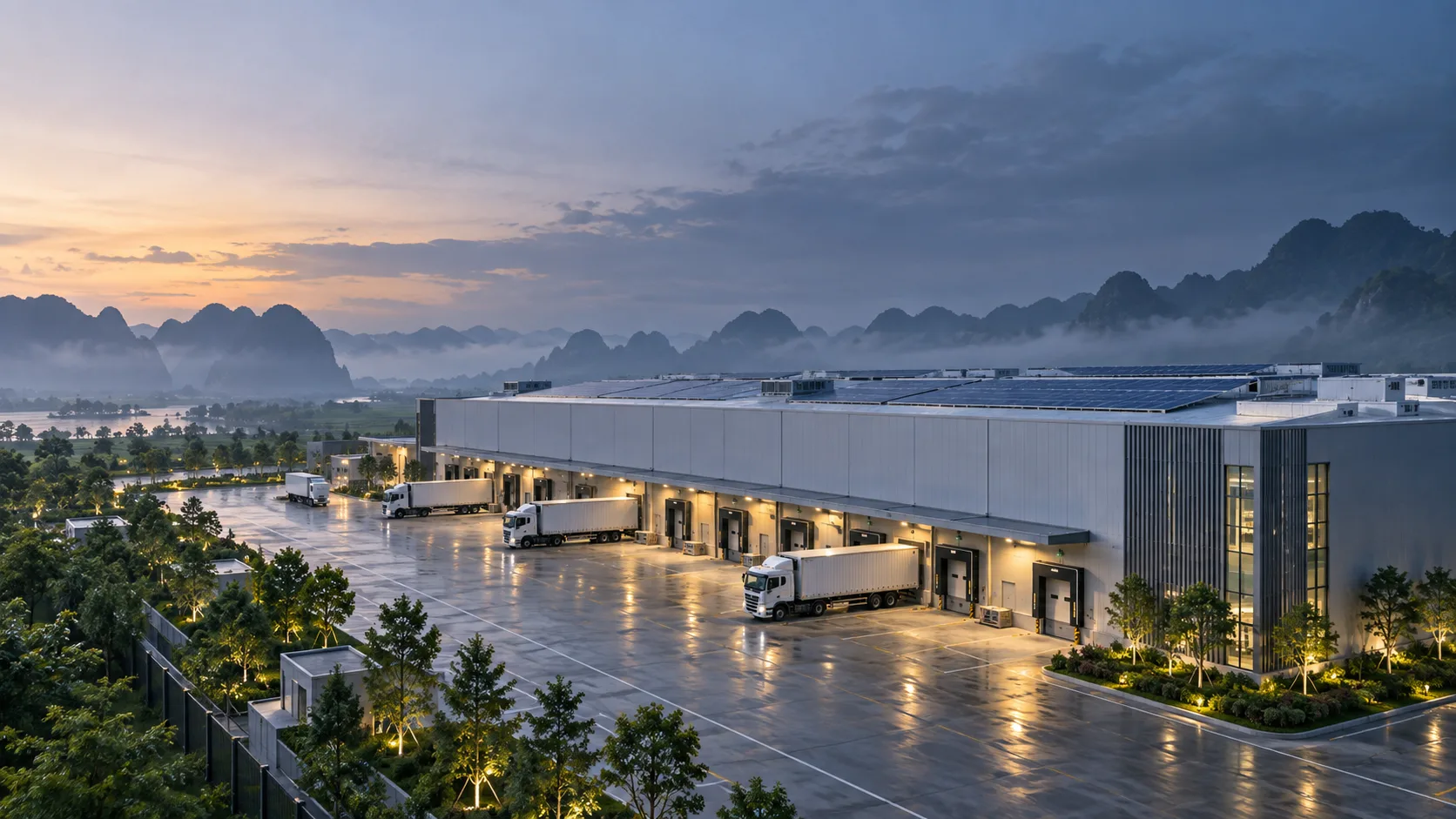
Cold storage: fix the temperature bands and module size before looking for land
A cold store with the wrong temperature band is redrawn from the foundations. Capital owners and tenants should fix these four things before discussing a plot.
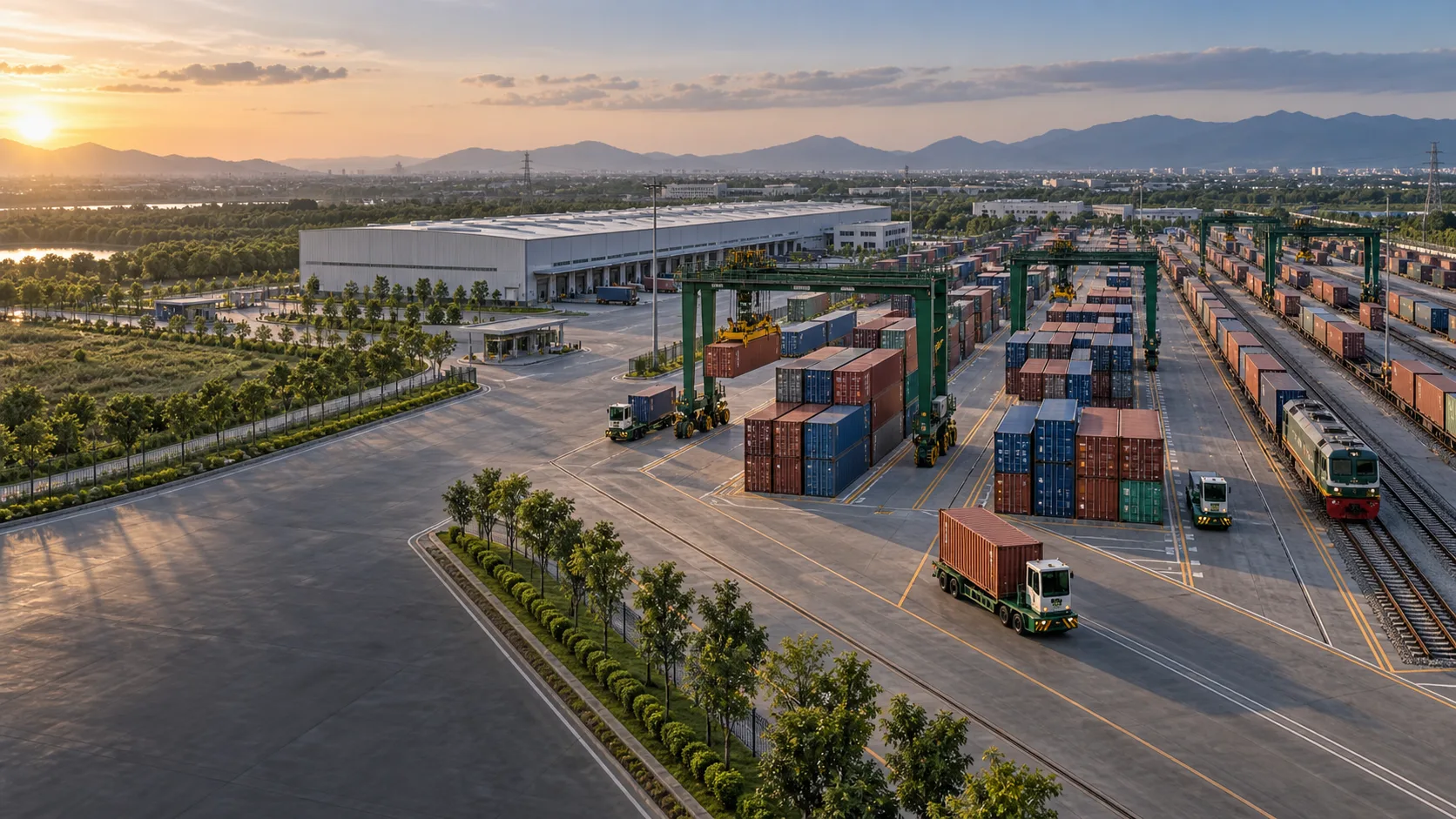
An ISO-tank depot next to the port: what the plot needs
Tanks can be leased in weeks; depot land cannot. A list of what a plot must have before CF Land considers it for a gas and chemical ISO-tank depot.

A 15-year master lease: seven clauses capital owners should ask about before signing
The long-term lease is what the capital owner is really buying. Seven questions for reading a CF Land master lease — or anyone else's.
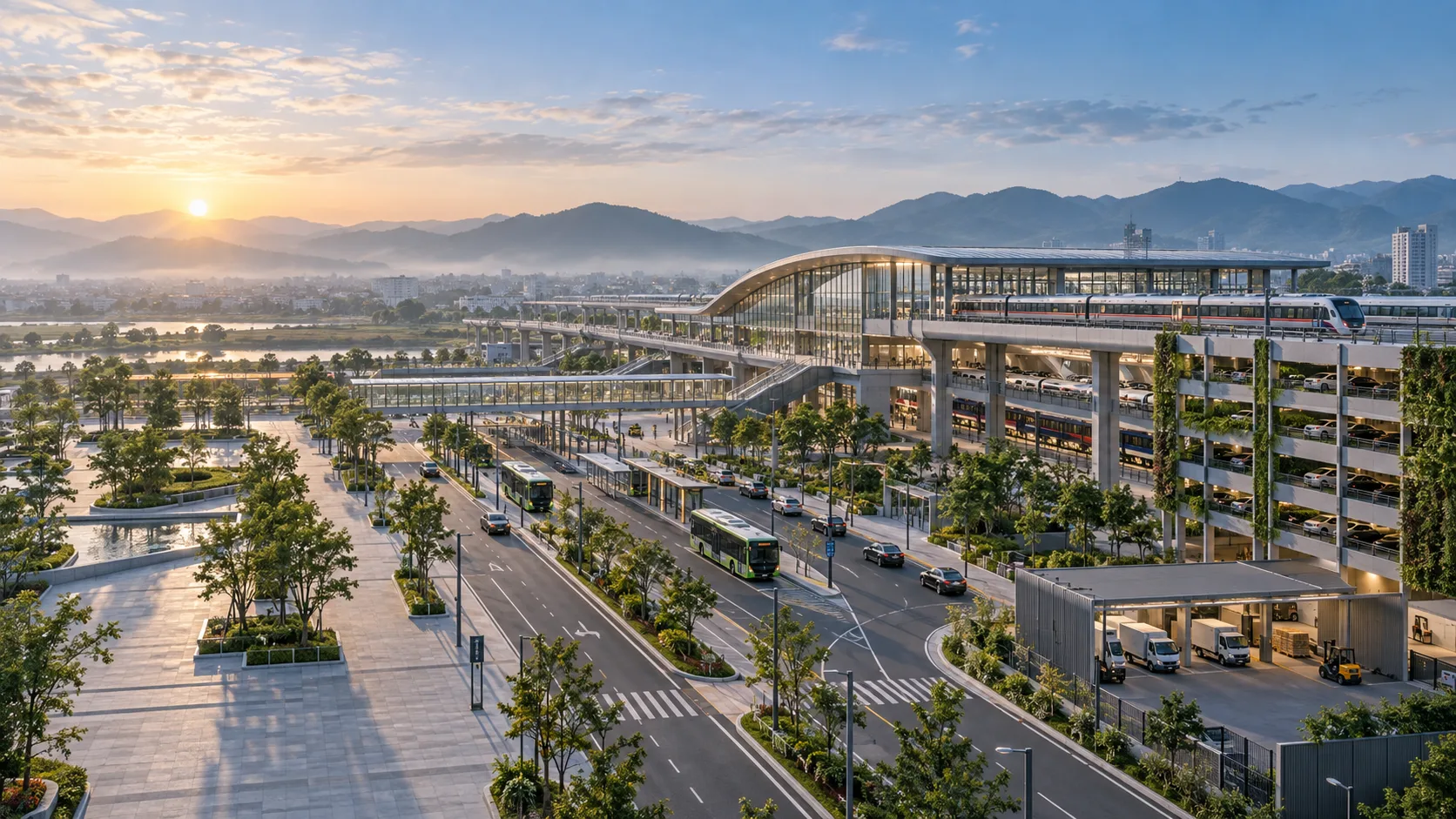
After the provincial mergers: choose locations by port cluster, not by boundary
From July 2025 the administrative map changed, but cargo flows did not follow it. CF Land picks regions by port cluster, the operators' routes and land conditions.
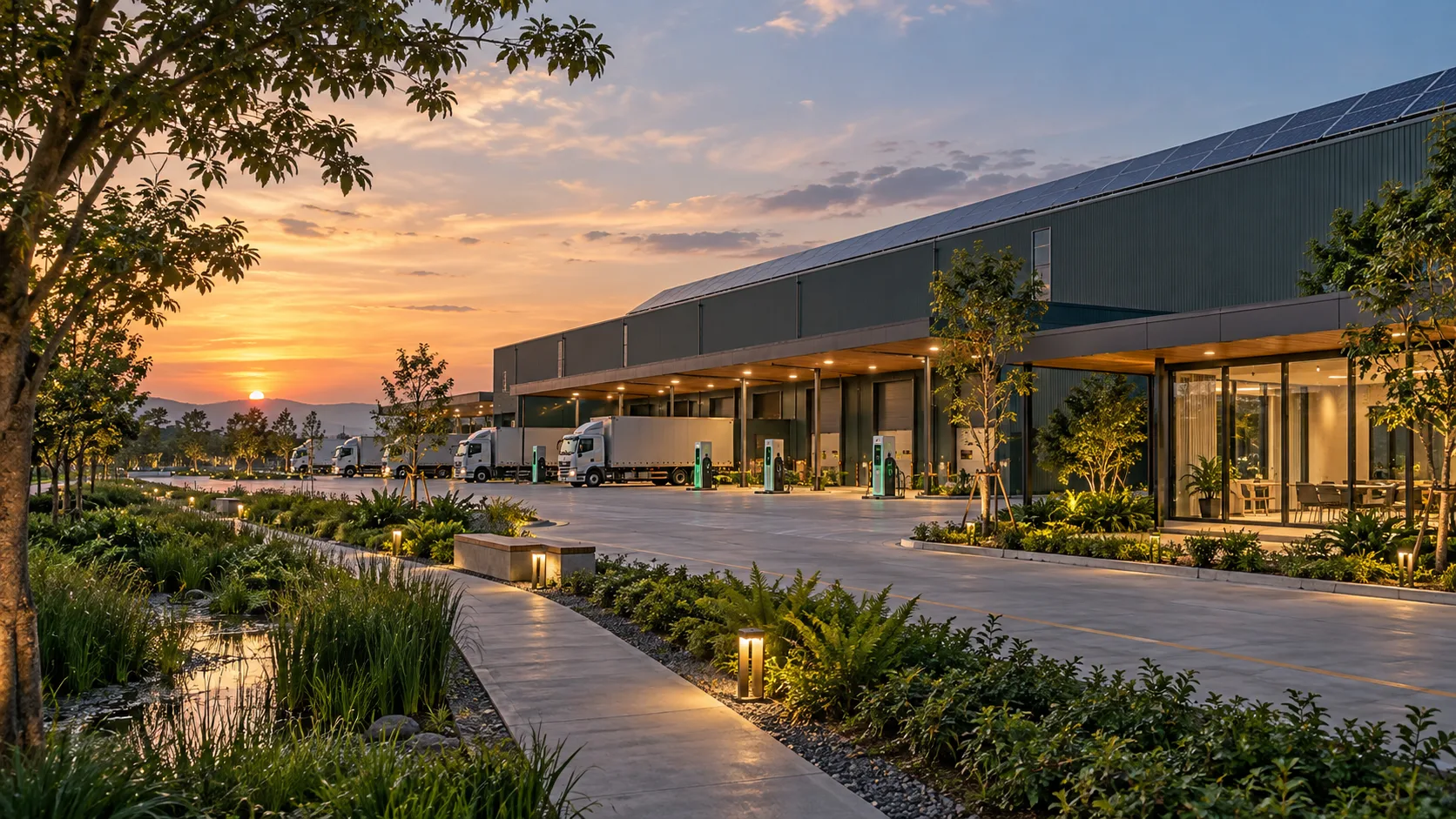
ESG for logistics assets: which certificate, what to measure, who needs the numbers
EDGE, LEED or LOTUS is only the start. Funds and multinational tenants ask for measured monthly emissions. CF Land designs assets to have those numbers from day one.
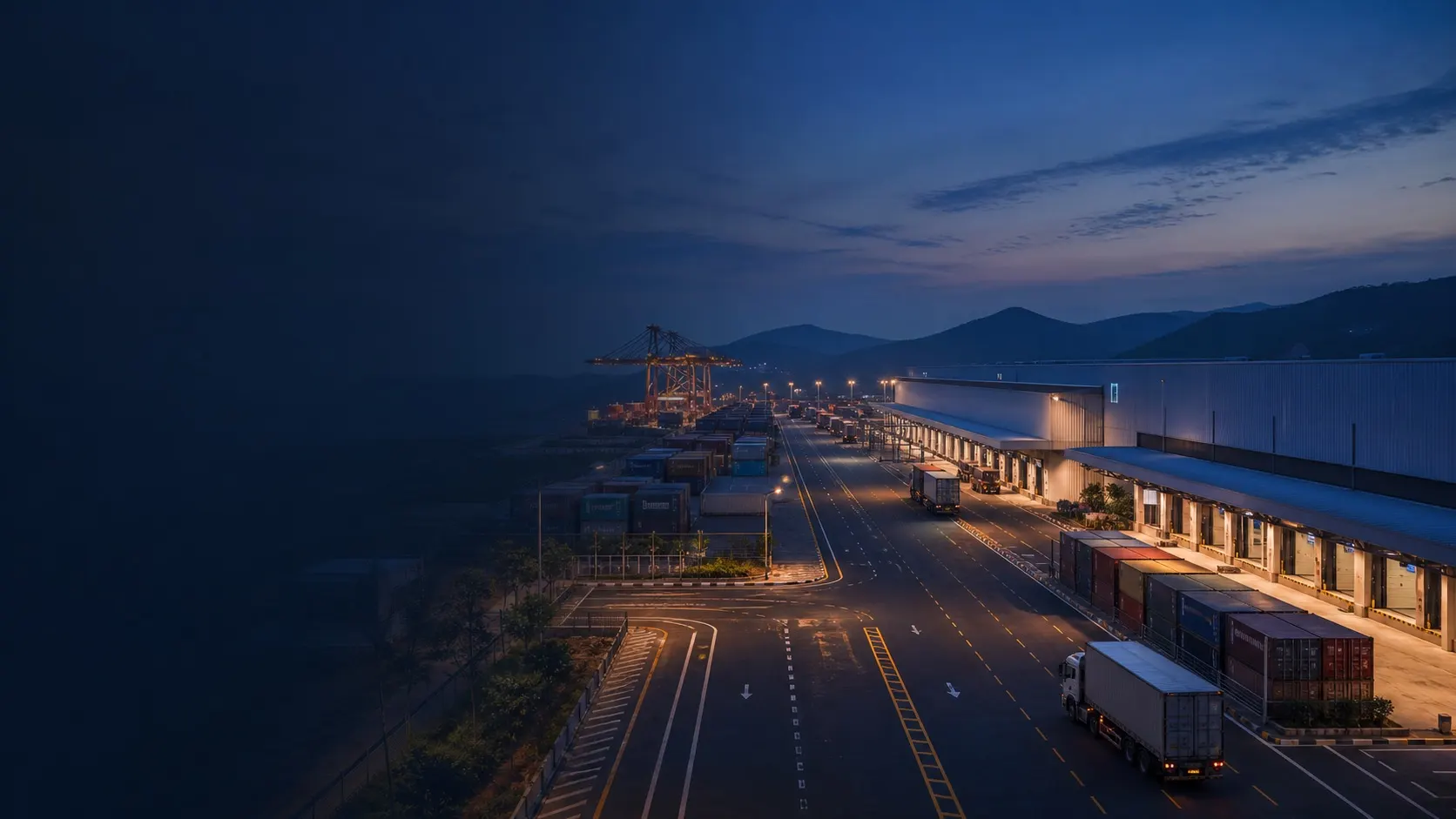
Tenants in-house: why capital owners sign with CF Land before there is land
The biggest risk in specialised logistics assets is vacancy. CF Land starts every project with a lease commitment letter from an operating company inside CF Group — so capital owners sign when the cash flow already exists.
Back-to-back: how CF Land sits in the middle without carrying vacancy risk
The master lease from the capital owner and the sub-lease to the operator share the same term, pricing mechanism and termination conditions. The lease spread is a fee for development capability, not a reward for holding risk.

Drawings signed by people who understand operations: what CGD is to CF Land
CGD Vietnam — 15 years of logistics-infrastructure consulting, Class 1 certification, 100+ projects across 21 provinces — is CF Land's technical arm. Capital owners get drawings from people who have designed inland ports, river ports and air-cargo terminals.
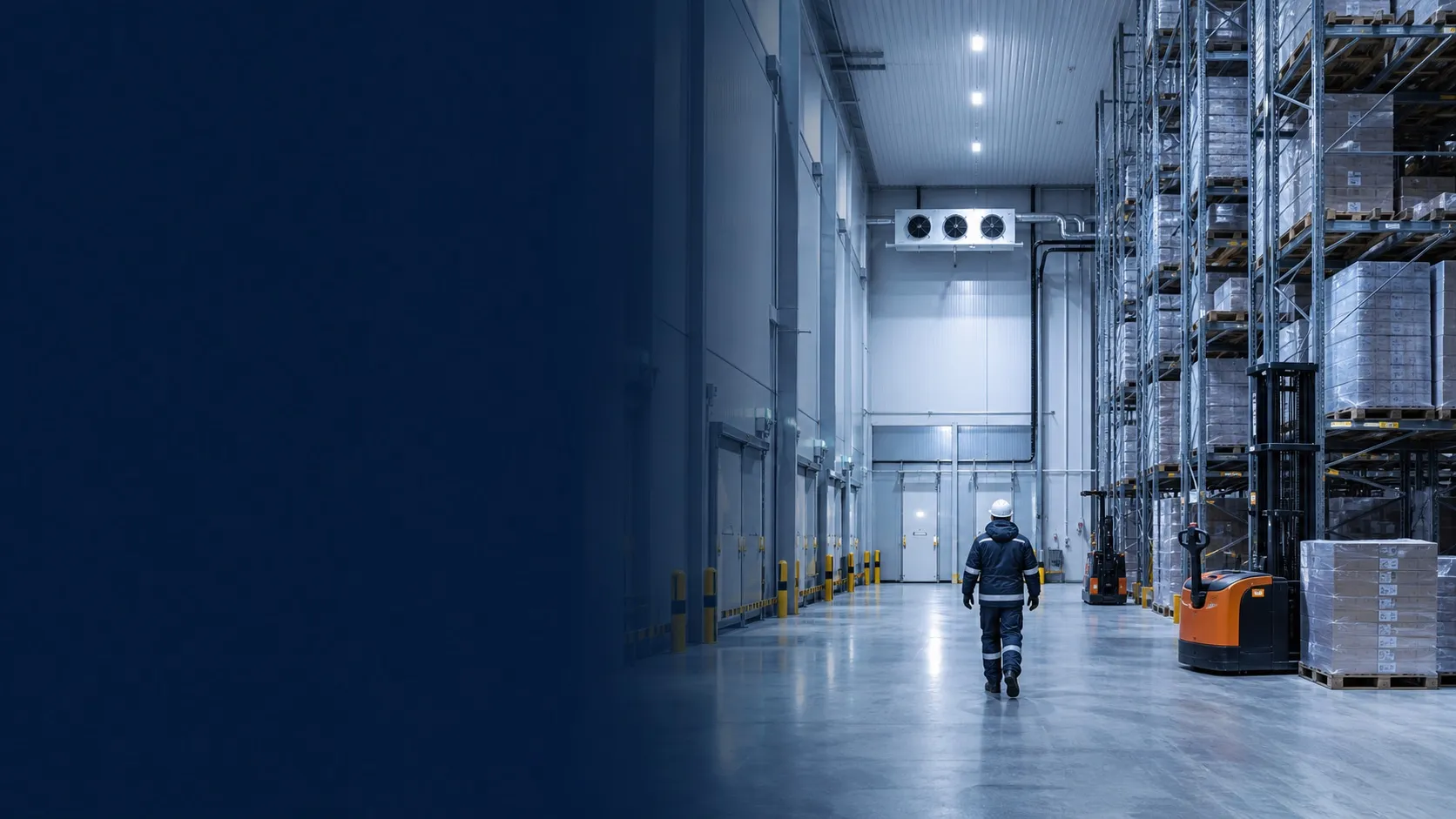
Specialised assets are the barrier: why CF Land avoids ready-built warehousing
Ready-built warehousing competes on land cost and rent. Multi-temperature cold stores, ISO-tank depots, LNG tanks and automated car parks compete on design capability and operators — things that cannot be copied within one cycle.
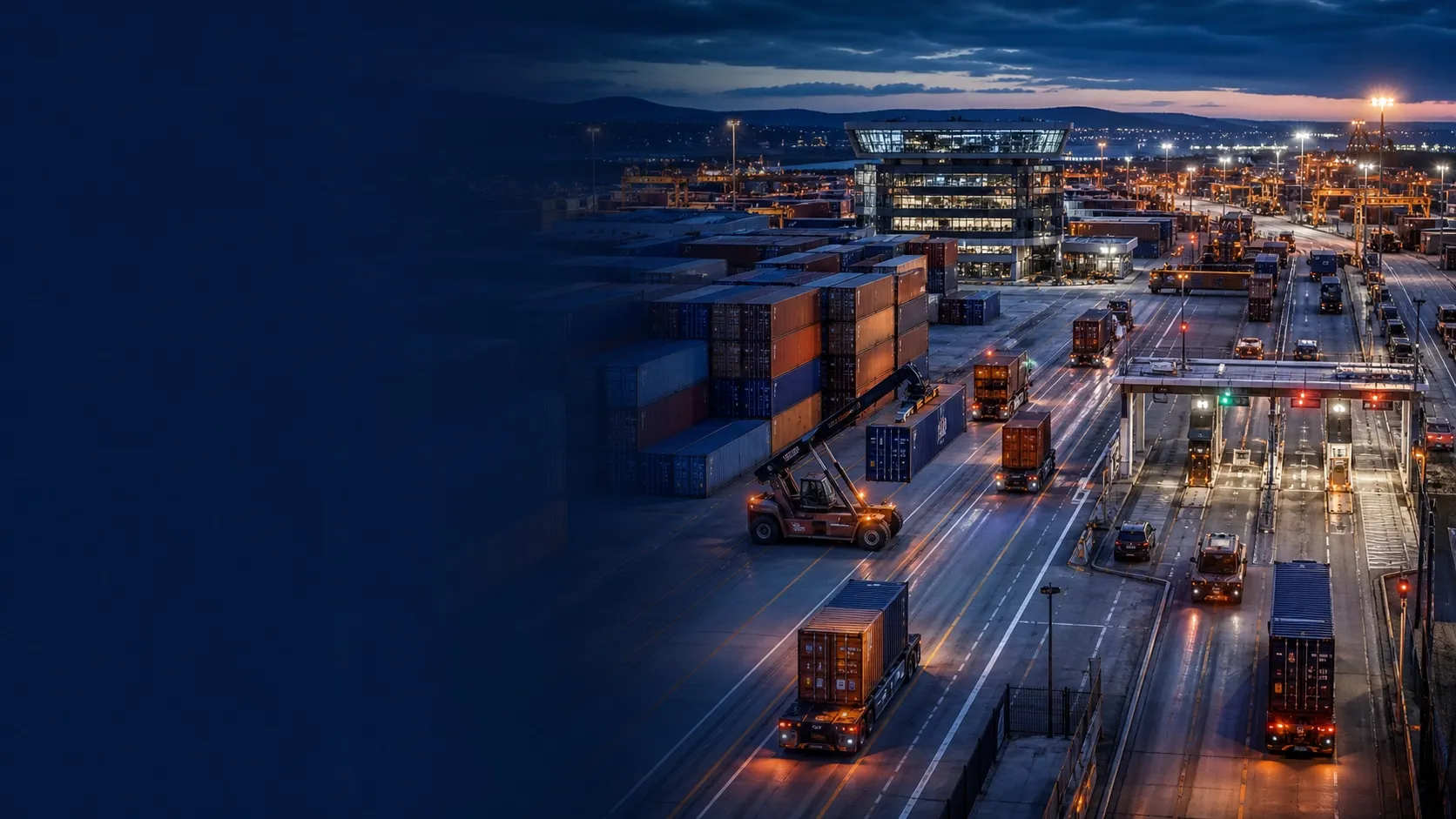
Ahead of TOD: parking and interchange infrastructure must exist before the station opens
The North–South high-speed railway, metro lines and the 2024 Capital Law are creating a new layer of demand around hub stations. Whoever arrives early with smart parking and interchanges keeps the position; whoever arrives late buys it at a different price.
Develop – stabilise – recycle: learning from Goodman, choosing a narrow niche
The world's largest logistics asset managers all began with technical development capability before becoming capital managers. CF Land follows the same formula, in a narrower segment and with in-house tenants.
Assets with an operating system: Aubot, MQ ICT and why tenants find it hard to leave
Cold stores with AS/RS, ports with PortTwin™, car parks with automated systems and booking apps. When technology is a member of the same ecosystem, CF Land assets are designed together with the software — not retrofitted.